Tesla’s paid Robotaxi mileage fell by about 36% in the second quarter, from roughly 1.1 million miles in the first quarter to about 700,000 miles, according to TechCrunch’s calculation from the company’s cumulative chart. These are approximate quarterly values derived from the chart, not standalone figures printed in a Tesla table.
In its second-quarter update, Tesla shows cumulative paid mileage and says Robotaxi is live in seven major metropolitan areas. The company expanded its unsupervised operating area in Austin and launched unsupervised rides in Miami, Orlando and Tampa in July — after the second quarter ended on June 30.
Tesla’s table lists the San Francisco Bay Area separately, where FSD (Supervised) is used with a safety driver. Austin, Dallas, Houston, Miami, Orlando and Tampa are listed as cities where unsupervised operations are ramping.
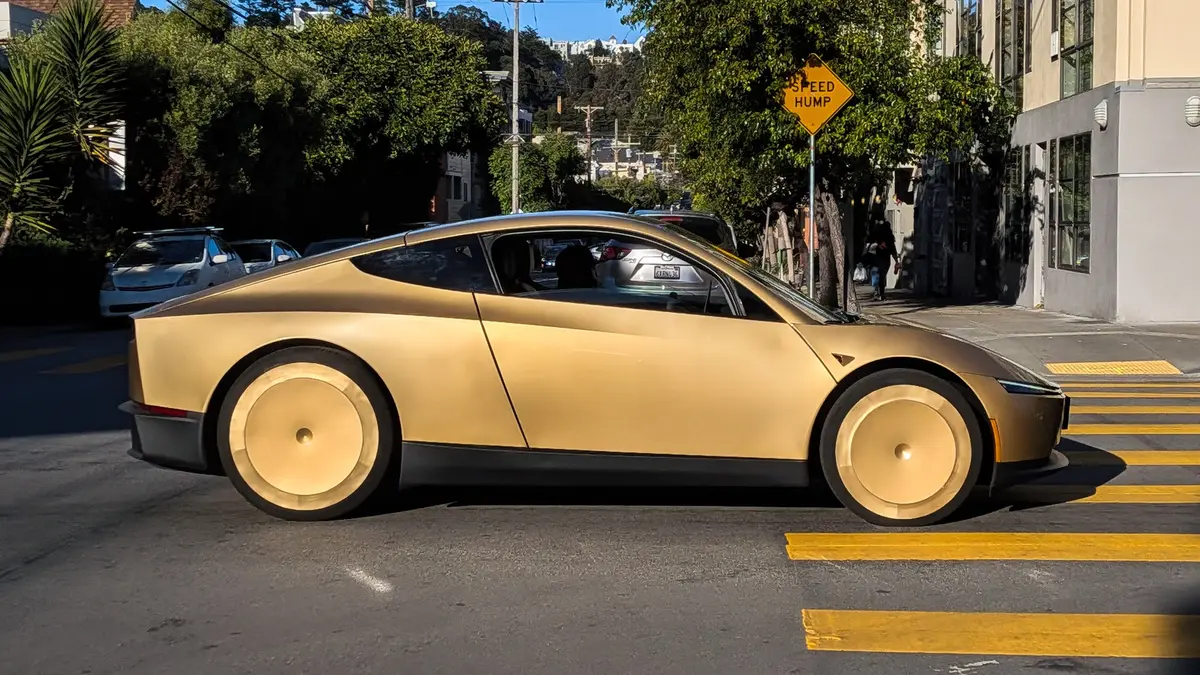
Tesla also said it began production of Cybercab, its purpose-built autonomous EV for the Robotaxi fleet. Engineering test drives of production Cybercabs on public roads started during the second quarter, while employee rides at the Gigafactory Texas campus began in July.
“Unlike, say, Model 3, Model Y, and our other vehicles where we’ve got a lot of vehicles on the road, millions of vehicles on the road, we don’t have that for Cybercab. So we actually have to accumulate miles with Cybercabs that are retrofitted with steering wheels and acceleration and braking pedals, that kind of thing, to calibrate to the Cybercab chassis. As we are confident about that, the number of Cybercabs in cities will increase dramatically,” — Elon Musk, CEO of Tesla.
Tesla frames the gradual rollout as necessary for careful safety validation. Preparation for expansion to additional U.S. metropolitan areas is continuing through testing, permitting and first responder training.