The US National Highway Traffic Safety Administration has begun a rulemaking process for general requirements covering robust and obvious emergency egress systems in vehicles, according to the regulator’s notice.
At the same time, the agency denied defect petition DP25-002, which sought a separate investigation into the mechanical door release in model-year 2022 Tesla Model 3 vehicles. NHTSA concluded that further investigation was unlikely to establish a safety-related defect.
The petitioner said the car lost electrical power and caught fire after a head-on collision. The electric door mechanism stopped working and the driver said he could not locate the mechanical release, forcing him to exit through a rear passenger window.
As of 13 March 2026, NHTSA had identified one complaint in its database alleging a concealed and unlabelled mechanical release among a population of 179,031 subject vehicles. It concerned the same vehicle cited in the petition.
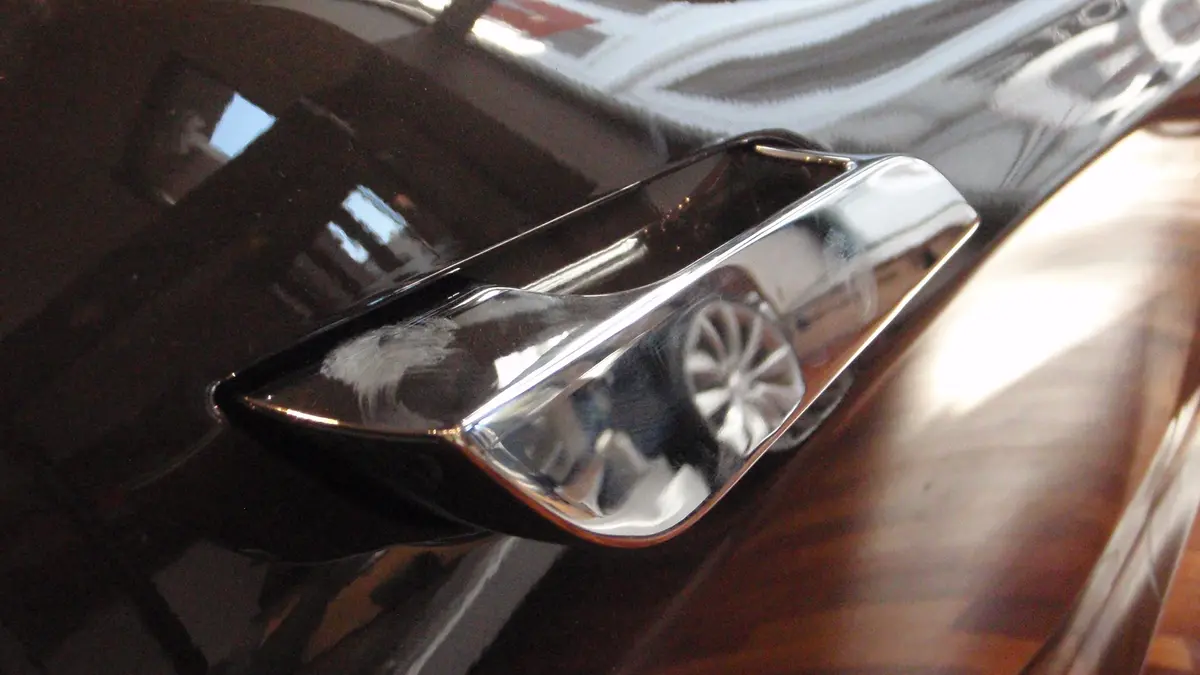
The front doors of the 2022 Model 3 have a mechanical lever in front of the window switch that opens when pulled upward. The version reviewed has no mechanical release for the rear doors; the owner’s manual explains how to exit when electrical power is unavailable.
The current FMVSS 206 standard covers door locks, latches, hinges and their attachment components, but does not regulate the labelling or location of a mechanical release. The agency therefore decided the issue was better addressed through rulemaking than a defect investigation focused on one model.
NHTSA granted a separate petition seeking a mandatory robust and obvious egress system for all motor vehicles and has begun the rulemaking proceeding. A final decision on whether to issue a new standard will be based on the information developed during that process.