
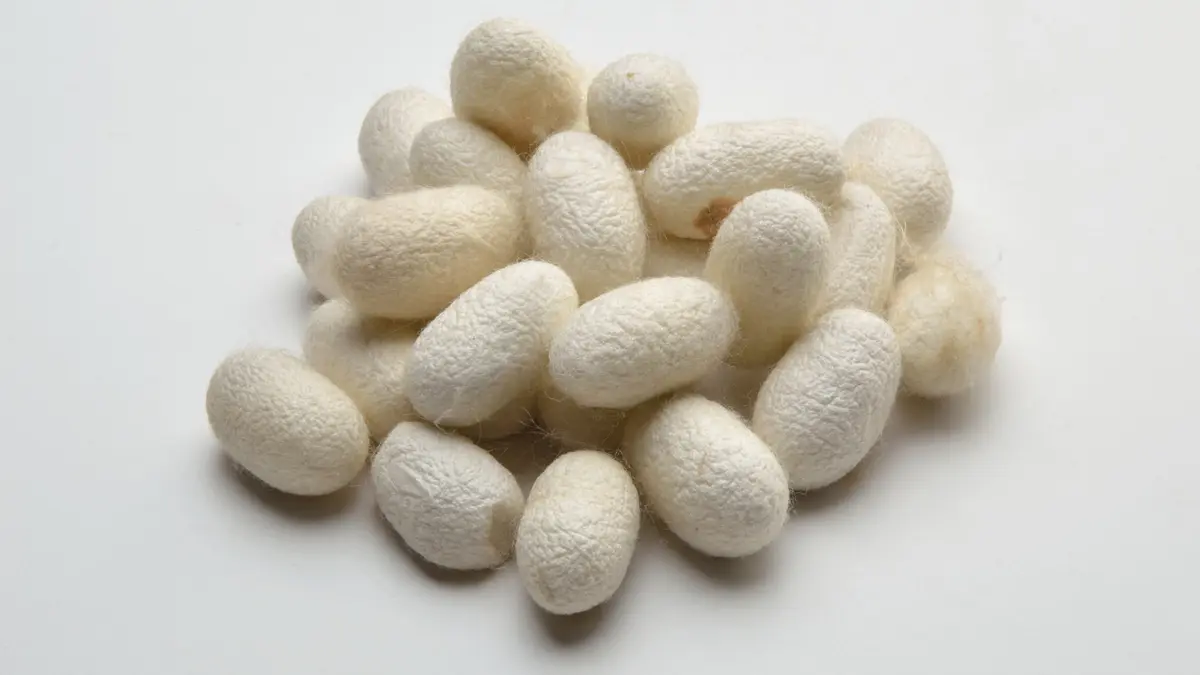
Archaeologists have found the earliest known remains of domesticated mulberry silkworm cocoons at Sapalli Tepe in southern Uzbekistan, according to a study published in Science Advances.
The three cocoons were directly dated to 1940–1765 BCE, making them approximately 3,700–3,900 years old.
Micromorphological and protein analyses identified the cocoons as domesticated Bombyx mori. The site also yielded the earliest known mulberry charcoal fragments from Central Asia.
Together, the finds indicate sericulture in the Amu Darya basin nearly two millennia earlier than previously documented. They challenge the view that silk production reached the region only with the Silk Road.
The authors suggest that mulberry trees and silkworms may have reached Central Asia along the southern slopes of the Himalayas. They stress, however, that other routes remain plausible.
The research involved specialists from Uzbekistan’s National Center of Archaeology and institutions in China, Germany and the United States.